
Hangzhou Gaoke Industry&trade Co., Ltd.
Time:2026-05-08 Click:2758 seen
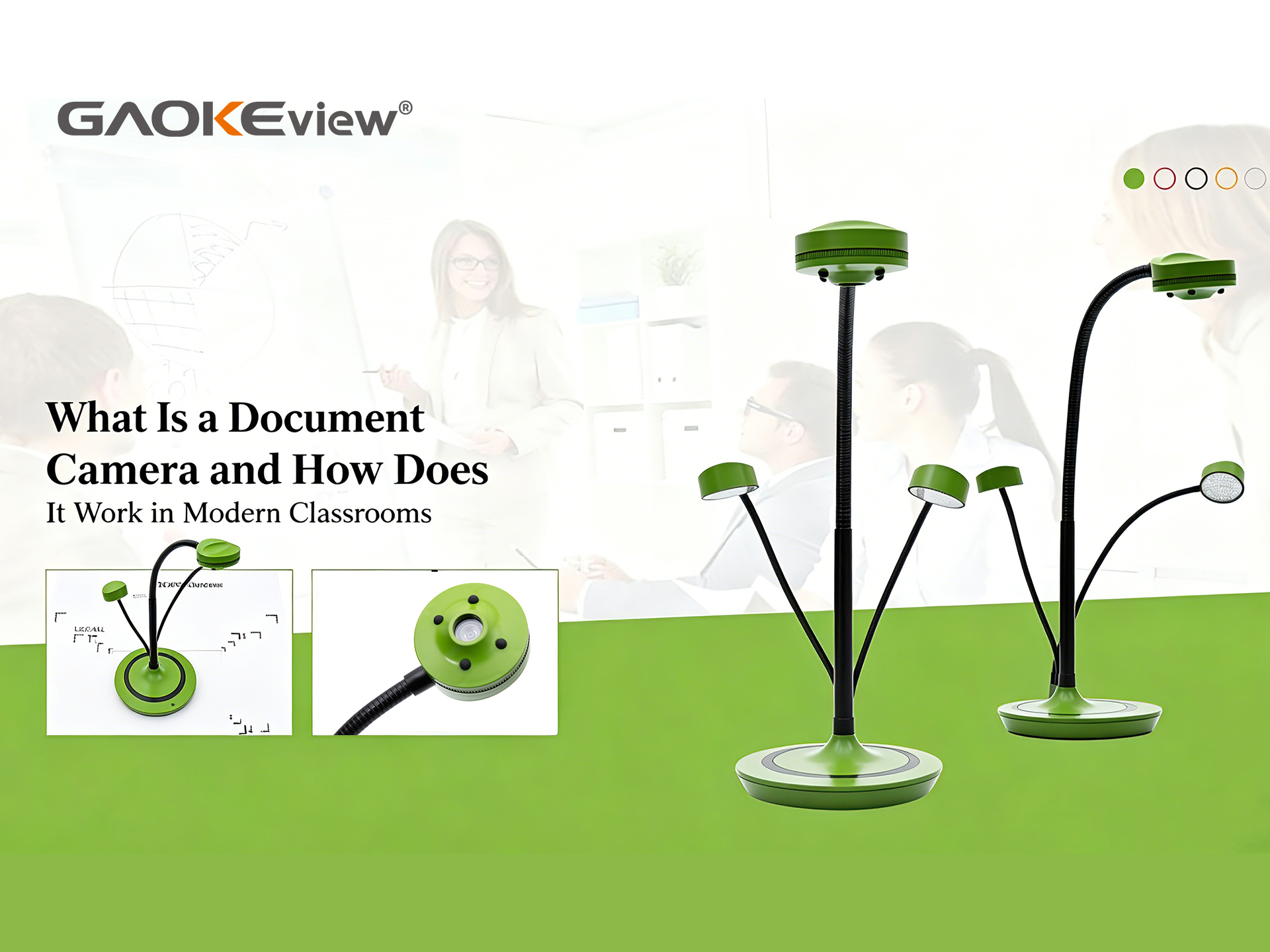
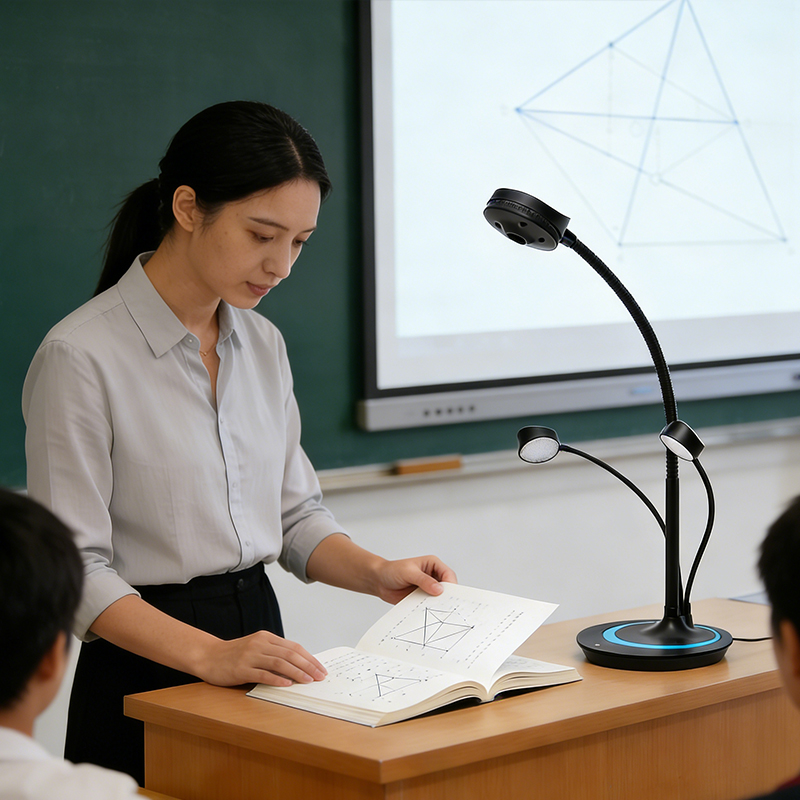
As education continues to evolve in the digital era, traditional teaching tools such as chalkboards and overhead projectors are gradually being replaced by more advanced and efficient technologies. Among these innovations, the Document Camera, also known as a Visualizer, has become an essential tool in modern classrooms. It enables teachers to present physical documents, books, objects, and even live demonstrations with remarkable clarity and convenience.
In today’s smart classrooms, the demand for visual learning tools is higher than ever. Students benefit greatly from clear, detailed visual explanations, while teachers require reliable devices that enhance lesson delivery and improve engagement. A document camera bridges this gap by combining high-definition imaging technology with real-time display capabilities.
A document camera is a digital imaging device designed to display physical materials onto a large screen, projector, or interactive flat panel. Unlike traditional projectors that require prepared slides, document cameras allow teachers to present live content instantly.
For example, a teacher can place a textbook under the camera and project its pages onto a large display so that every student can see clearly. Similarly, handwritten notes, diagrams, photographs, or small objects can be displayed in real time without the need for scanning or preparing digital files in advance.
Modern document cameras are equipped with high-resolution sensors, adjustable arms, and powerful autofocus systems. These features ensure that images remain sharp and clear even when displaying detailed materials such as printed text, scientific specimens, or technical drawings.
In many educational environments, document cameras are now considered standard equipment, particularly in classrooms that emphasize interactive learning and digital teaching methods.
The working principle of a document camera is relatively simple yet highly effective. The device uses a built-in camera lens to capture images of physical materials placed beneath it. These images are then transmitted to a connected display device, such as an interactive flat panel, monitor, or projector.
When a teacher places an object under the camera, the camera sensor captures the image instantly. Advanced autofocus technology automatically adjusts the focus to ensure that the image appears clear on the display. Many modern document cameras also support zoom functions, allowing users to magnify small details without losing image quality.
Connectivity plays a vital role in the functionality of document cameras. Most models support USB, HDMI, or wireless connections, enabling seamless integration with classroom technology. Once connected, teachers can easily switch between live display, image capture, and video recording modes.
Some document cameras also include built-in lighting systems that enhance visibility in low-light environments. This ensures that displayed materials remain bright and clear regardless of classroom conditions.
In addition to real-time projection, many modern devices allow teachers to capture images and store them digitally. This feature is particularly useful for saving lesson materials, documenting experiments, or sharing content with students after class.
Modern classrooms rely heavily on visual communication. Students today learn more effectively when they can see detailed explanations rather than relying solely on verbal instruction. Document cameras support this visual learning style by allowing teachers to demonstrate concepts clearly and efficiently.
One of the biggest advantages of document cameras is their ability to display real-world objects. In subjects such as science, mathematics, and art, physical materials play a crucial role in understanding complex ideas. Teachers can show laboratory samples, geometric models, or artwork in real time, making lessons more engaging and easier to understand.
Another significant benefit is time efficiency. Teachers no longer need to prepare slides or write large amounts of text on boards. Instead, they can simply place materials under the camera and begin teaching immediately. This reduces preparation time and increases teaching productivity.
Document cameras also encourage interactive learning. Students can participate by presenting their own work, sharing ideas, or demonstrating solutions in front of the class. This interactive approach improves confidence and promotes collaborative learning.
Document cameras are versatile tools that support a wide range of classroom activities. One of the most common uses is displaying textbooks and printed materials. Teachers can highlight important sections, underline keywords, or annotate diagrams in real time.
In science classrooms, document cameras are often used to display experiments or specimens. Students can observe details that might otherwise be difficult to see from their seats. This makes scientific demonstrations more effective and engaging.
Mathematics teachers frequently use document cameras to solve problems step by step while explaining concepts. This allows students to follow each stage of the solution process clearly.
In art and design classes, document cameras are valuable for demonstrating drawing techniques or showcasing student artwork. Teachers can illustrate brush strokes, shading techniques, or creative methods while students observe closely.
Language teachers also benefit from document cameras when displaying reading materials, worksheets, or writing exercises. Students can follow along easily, improving comprehension and participation.
Today’s document cameras are equipped with advanced features designed to enhance teaching performance. High-resolution image sensors are among the most important components. Many modern devices support Full HD or even 4K resolution, ensuring clear and detailed image output.
Autofocus technology is another critical feature. It allows the camera to adjust focus automatically, ensuring sharp images without manual adjustments. This is especially useful when switching between objects of different sizes.
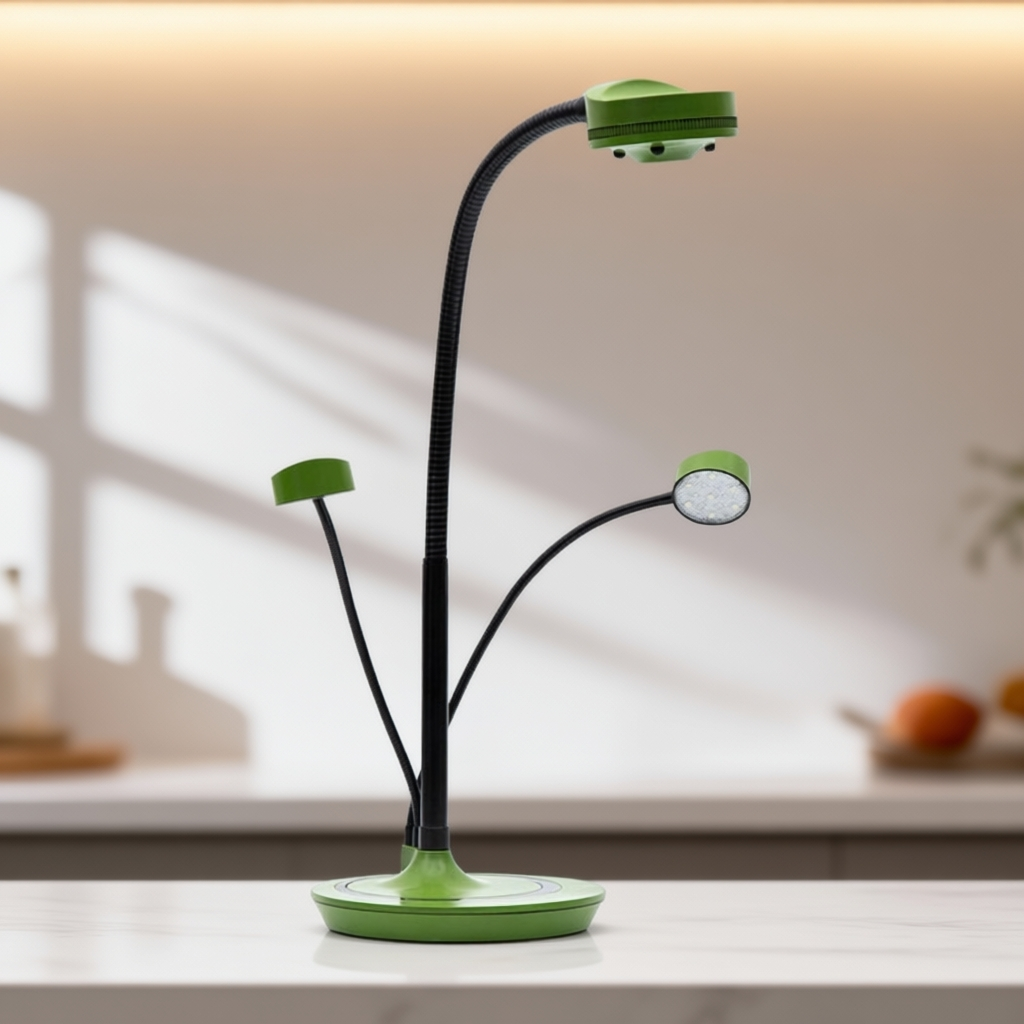
Flexible design is also essential. Many document cameras feature adjustable arms or foldable structures, making them easy to position and store. Gooseneck designs, for example, allow users to adjust the viewing angle freely.
Multiple connectivity options improve compatibility with different devices. USB connections enable quick setup with computers, while HDMI outputs allow direct connection to large displays.
Built-in LED lighting enhances visibility by providing consistent illumination. This ensures clear image quality even in classrooms with limited lighting.
As schools continue to adopt smart classroom technologies, document cameras play a crucial role in creating interactive learning environments. They integrate seamlessly with interactive flat panels, enabling teachers to combine live demonstrations with digital content.
For example, teachers can display handwritten notes while simultaneously using digital annotation tools. This combination of physical and digital teaching methods improves lesson clarity and supports different learning styles.
Document cameras also support remote learning and hybrid education models. Teachers can share live demonstrations with students attending online, ensuring consistent learning experiences regardless of location.
In collaborative classrooms, document cameras encourage student participation by allowing learners to present their work and share ideas visually. This strengthens communication skills and promotes teamwork.
Selecting the right document camera depends on several factors, including classroom size, teaching style, and technical requirements. Resolution is one of the most important considerations, as higher resolution ensures clearer images and improved visibility.
Ease of use is equally important. Teachers should be able to operate the device quickly without extensive training. Simple controls and intuitive software improve usability.
Durability and reliability are essential for long-term classroom use. Devices designed for educational environments must withstand frequent operation and handling.
Compatibility with existing classroom technology is another key factor. The document camera should support common connection methods to ensure seamless integration with current systems.
Modern document cameras provide a powerful solution for improving classroom productivity and engagement. By enabling real-time display of physical materials, they simplify lesson delivery and reduce preparation time.
Educational institutions around the world are increasingly adopting document cameras as part of their digital transformation strategies. Their ability to enhance communication, support interactive learning, and improve teaching efficiency makes them a valuable investment for schools and training centers.
With continuous advancements in imaging technology and connectivity, document cameras will remain a vital component of modern education systems. Their flexibility and practicality ensure that they will continue to support innovative teaching methods for years to come.

Hangzhou Gaoke Industry&trade Co., Ltd.


+8613706719639


info@hz-gaoke.comservice@hz-gaoke.com
After-sales email:it.support01@hz-gaoke.com

A6 Cainiao Zhigu, Yuhang District, Hangzhou, Zhejiang, China




 中文
中文 English
 +86(571)89986945
 +8613706719639
 +8613706719639
 service@hz-gaoke.com